Experienced Concrete Contractor for All Your Construction Needs
Selecting a veteran concrete contractor is necessary for the success of any construction project. Their expertise ensures that tasks are completed efficiently and to a high standard. These practitioners manage challenges with expertise and have established relationships that simplify material sourcing. Understanding local regulations and stressing safety are also vital components of their role. Yet, many fail to recognize the long-term benefits of choosing the right contractor. What factors should one consider when making this important decision?
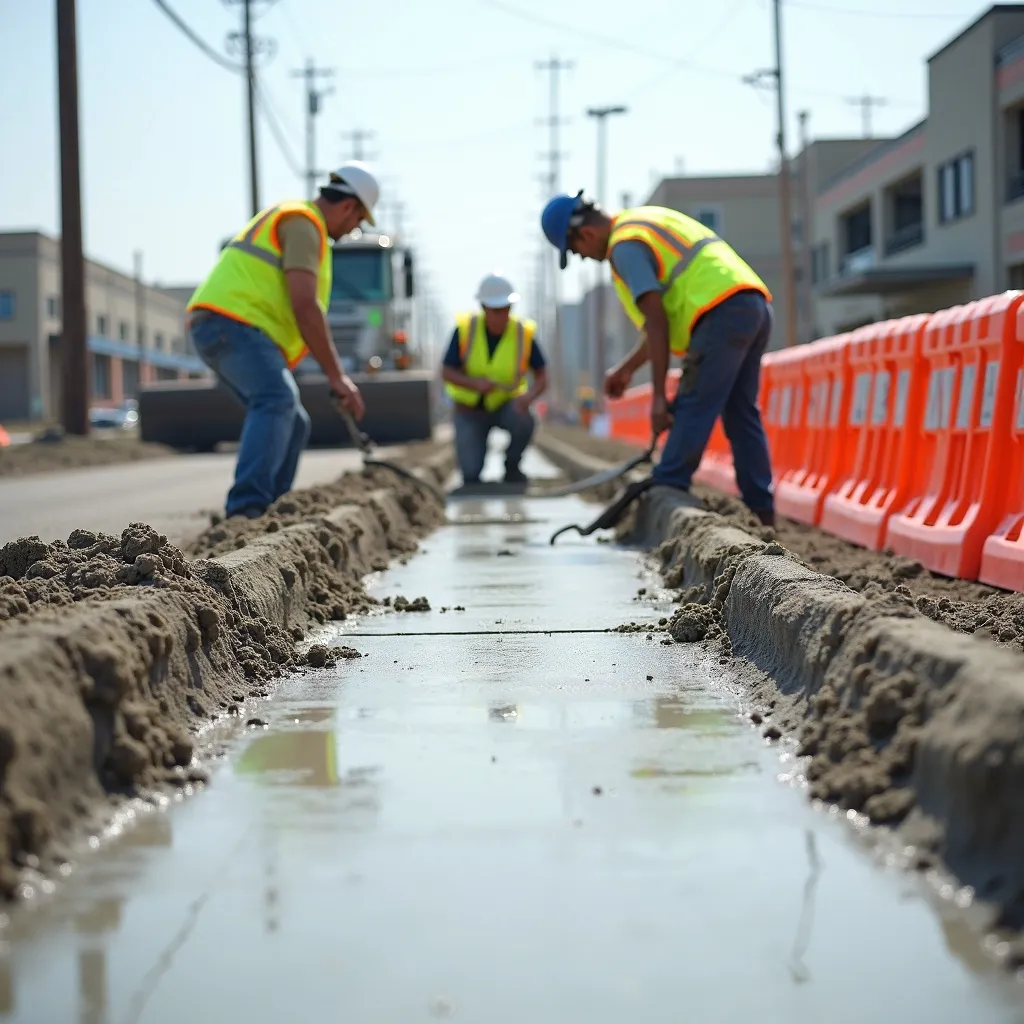
Why Employing an Seasoned Concrete Contractor Is Important
When reviewing a building undertaking, the importance of choosing an experienced concrete contractor cannot be understated. An knowledgeable contractor offers a considerable quantity of knowledge and expertise that are critical for maintaining the quality and durability of concrete work. Their experience with different strategies and substances allows for enhanced decision-making, as a result creating a more solid and trustworthy structure.
Moreover, skilled contractors are proficient at addressing possible difficulties that may emerge during the building operation. They are ready to tackle unexpected issues effectively, reducing delays and additional costs. In addition, an knowledgeable contractor typically has strong relationships with material providers and contractors, which can enhance the sourcing of goods and supplies.
Essential Qualities of a Reliable Concrete Contractor
A dependable concrete contractor has multiple crucial qualities that distinguish them in the construction industry. Primarily, strong communication skills are fundamental; they ensure that customers are kept updated during the entire project, building confidence and understanding. Furthermore, a solid reputation built on favorable client reviews and recommendations demonstrates a contractor's dependability and work quality.
In addition, mastery of various concrete applications, together with understanding of the latest techniques and materials, enables them to offer superior results. Detail-oriented focus is another key quality, as it ensures precise measurements and rigorous standards of workmanship.
Ultimately, a commitment to safety and adherence to regulations reflect professional expertise and dependability. By embodying these qualities, a reliable concrete contractor not only meets client standards but also enables outstanding project results, making them indispensable in the construction field.
How to Select the Right Concrete Project for Your Requirements
Deciding on the correct concrete project requires deliberate contemplation of defined needs and objectives. Individuals should start by studying the intended use of the concrete, whether for driveways, foundations, or decorative elements. A clear knowledge of the project's purpose leads the selection of materials and methods.
Next, budget constraints have an crucial role. Analyzing accessible funds helps in determining the scope and intricacy of the project. Additionally, the local climate can affect additional resource the selection of concrete type and surface treatment methods, ensuring long-term performance and strength.
It is also crucial to consider the timeline for finishing your project. Some concrete installations need curing time, which may impact scheduling. Engaging with an experienced concrete contractor can offer helpful guidance into the best practices and options on offer. At the end of the day, aligning the project's specific details with personal requirements achieves a successful concrete project that fulfills the intended goals.
What You Need to Learn About Local Concrete Regulations?
Grasping local concrete standards is vital for any construction project, as these rules determine various dimensions of concrete employment, including material specifications, application techniques, and sustainability factors. These standards are typically formulated by city or state authorities and can vary greatly from one location to another.
Contractors need to be cognizant of zoning laws, which can determine where concrete structures may be constructed. Additionally, building codes frequently establish the required strength and composition of concrete mixes, guaranteeing safety and durability. Environmental regulations may also require the use of eco-friendly materials and proper waste disposal methods to lessen environmental impact.
Disregarding these regulations can cause charges, project delays, or even judicial proceedings. Thus, engaging with local authorities during the early planning stages is recommended. Understanding and observing these regulations not only fosters community safety but also reinforces the integrity of the construction project.
Why Expert Construction Professionals Help You Save You Time and Costs
Professional contractors play a key position in improving construction projects, allowing clients to benefit from both time efficiency and cost savings. Their extensive experience enables them to navigate complex tasks swiftly, minimizing the overall project timeline. By leveraging industry connections, professional contractors often secure better rates on materials, translating to lower costs for clients.
In addition, their familiarity with local codes guarantees adherence, which minimizes the risk of costly delays and fines. Effective project management is another key asset, as these consultants orchestrate labor and capital, forestalling bottlenecks that can spark mounting charges.
Moreover, by utilizing proven techniques, expert contractors reduce the likelihood of mistakes, which can result in costly revisions. Ultimately, engaging a seasoned contractor not only enhances the caliber of the project but also maximizes budget allocation, making it a sound investment for any building project.
The Value of Excellent Supplies and Approaches in Concrete Work
Superior standards in concrete work is essential, as it directly determines the durability and longevity of any construction project. The procurement of high-grade materials plays a critical role; inferior concrete can lead to cracking, erosion, and structural failure over time. Using quality aggregates, cement, and additives guarantees that the final product can withstand environmental stresses and heavy loads.
Furthermore, utilizing advanced techniques during the mixing, pouring, and curing processes markedly enhances the structural quality of the material. Proper proportional blends and hardening techniques help attaining ideal durability and reduce vulnerabilities. Experienced professionals comprehend these subtleties and implement proven methods to ensure exceptional results.
Ultimately, investing in quality materials and techniques not only improves the structural performance but also reduces long-term maintenance costs. This foundation of reliability is essential for both commercial and residential projects, assuring that they endure through the years. Concrete work quality is an investment with significant returns.
Frequently Raised FAQs
Which Types of Concrete Solutions Do Professionals Frequently Offer?
Concrete contractors generally offer a variety of services including pouring concrete foundations, driveway placement, ornamental concrete services, slab construction, sidewalk and patio creation, restoration and resurfacing, as well as concrete demolition and recycling.
How much time does a standard concrete project generally take?
A standard concrete project generally takes between one to three days, depending on factors such as project size, complexity, weather conditions, and curing time. Bigger or more complex projects may require additional time for completion.
What Are the Prevalent Marks of Faulty Concrete Work?
Common warnings of deficient concrete work feature visible cracks, bumpy texture, improper drainage, discoloration, chipping, and surface dusting. These issues usually indicate inadequate curing, incorrect proportioning, or insufficient preparation, weakening the structure's integrity and longevity.
Can I Order Custom Designs for My Concrete Project?
Yes, personalized designs for concrete installations can be inquired about. Many contractors provide flexibility in design, allowing clients to integrate special elements and design qualities that suit their goals, enhancing both utility and appearance.
How Can Climate Factors Effect Concrete Curing Processes?
Weather elements greatly bear on concrete development. High temperatures can accelerate drying, bringing about cracking, while cold can slow the process, creating risk of incomplete hydration. Ideal curing insists on moderate temperatures and controlled moisture to guarantee durability and strength.